
Blinds vs. Shades vs. Shutters: The Complete Guide
Walk into any conversation about window treatments, and you'll hear these three words used almost interchangeably. Blinds, shades, shutters. They all cover a window, control light, and add privacy. But they're genuinely different products, built differently, priced differently, and suited to different rooms and different homes.
If you're trying to figure out where to start, read this overview first.
The Core Difference, In One Line Each
Blinds use hard, tiltable slats, made from wood, faux wood, or vinyl, that adjust to let in exactly as much light as you want.
Shades are made from a single piece of fabric or woven material that rolls, folds, or stacks as you raise and lower it, with no tilting involved.
Shutters are solid, hinged panels built directly into your window frame, with louvers that tilt for light control and panels that swing open entirely for an unobstructed view.
Everything else, including cost, durability, style, and maintenance, comes back to these three fundamentally different constructions.
Durability and Lifespan
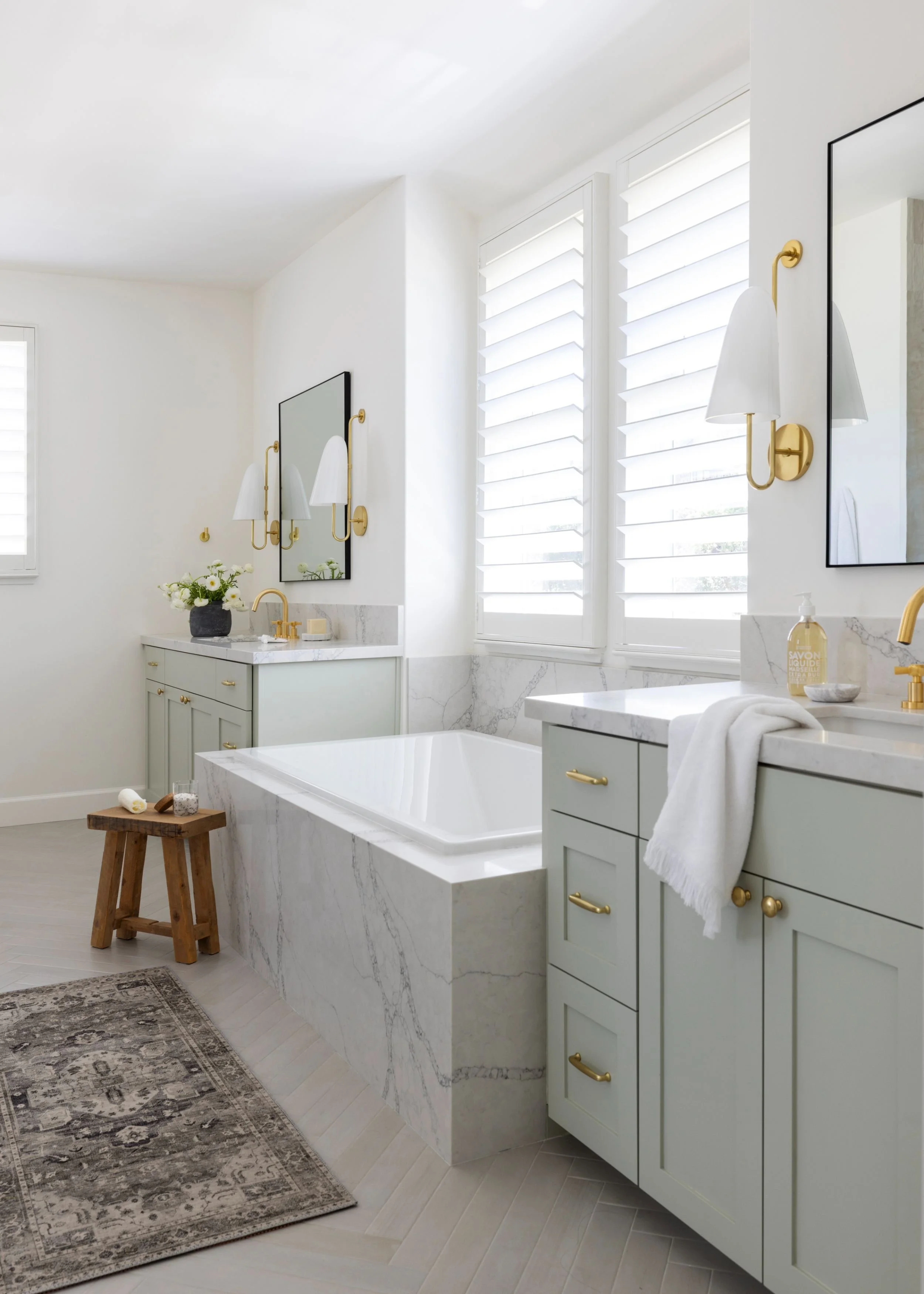
Shutters win this category by a wide margin. Because they're built into the window frame itself with a rigid structure, a well-made shutter can last for decades with minimal wear, which is part of why they're often considered a permanent architectural feature rather than a replaceable window covering.
Blinds are durable in their own right, but the moving parts, tilt mechanisms, lift cords, and individual slats mean there's more that can eventually wear out or break compared to a shutter's simpler swing-and-tilt design.
Shades vary the most depending on fabric quality and usage. A well-made shade with a quality mechanism can last for years, but as a fabric product, it generally won't match the multi-decade lifespan of a properly installed shutter.
Light Control
All three can manage light well, but they do it differently. Shutters offer the most dramatic range: louvers can be angled for filtered light, or the entire panel can swing open for a completely unobstructed window, something neither blinds nor shades can fully replicate.
Blinds offer precise, incremental control through slat tilt, without needing to raise or lower the whole treatment.
Shades depend on the fabric itself. A blackout shade blocks nearly all light when closed. A light-filtering shade softens and diffuses it. But a shade doesn't offer the same in-between adjustability that tilting slats do.
Cost
As a general rule, blinds tend to be the most budget-friendly option; shades range widely depending on fabric and features; and shutters, given their solid construction and permanent installation, typically represent the larger investment of the three. That said, "typically" is doing real work in that sentence. Premium fabrics can push a shade well past a basic blind, and composite shutters often cost less than real wood. Material and customization level matter more than the category itself.
Style and Architecture
Shutters can become part of a home's architecture rather than sitting on top of it. They read as built-in, which is why they hold up so well in resale value conversations and suit almost any design style, from a classic farmhouse to a modern wine country estate.
Blinds bring clean, structured horizontal lines that pair especially well with modern and transitional interiors.
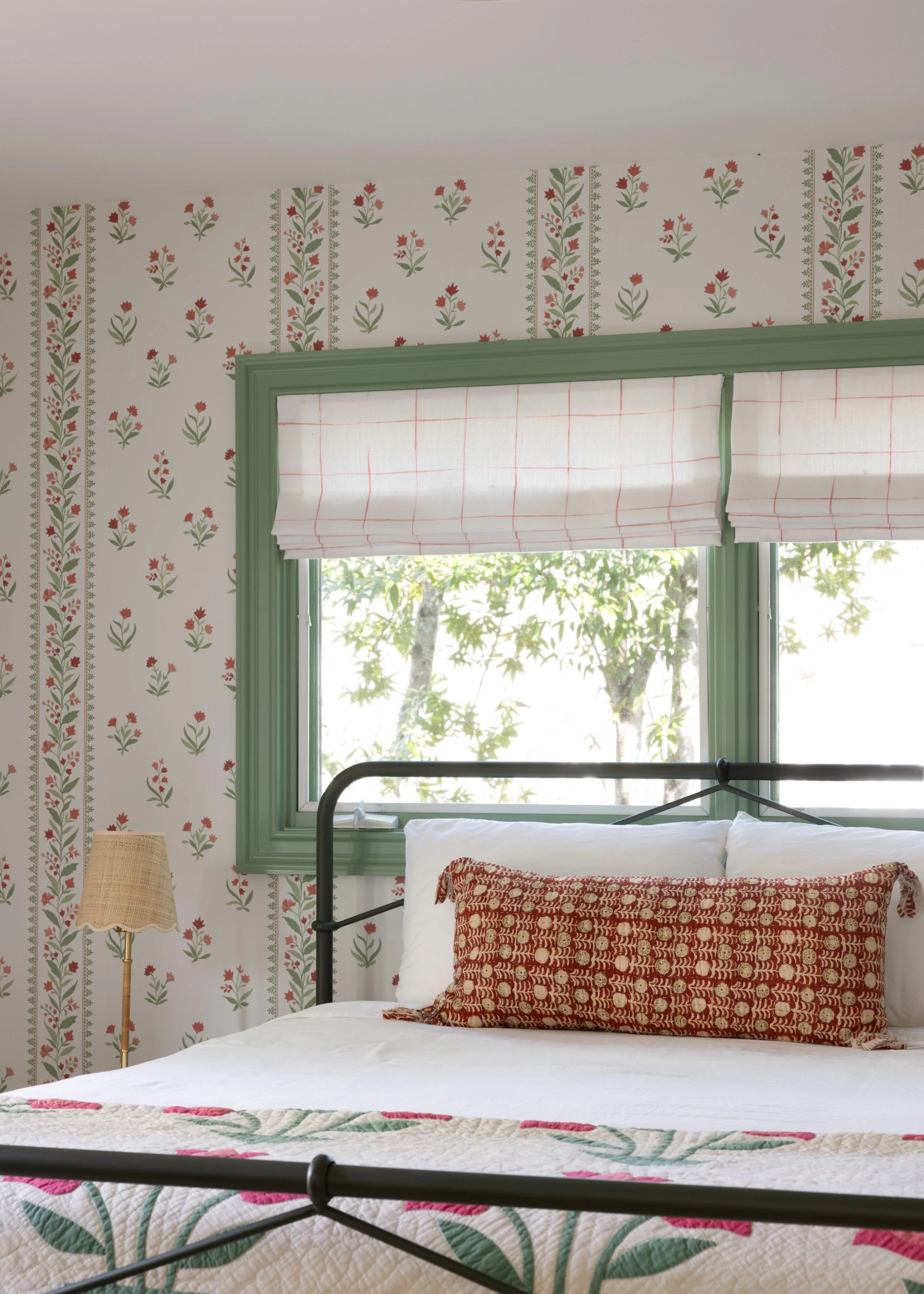
Shades bring texture and softness. Whether it's a woven wood shade adding natural warmth or a Roman shade in a rich fabric, shades tend to feel the most decorative and the most tied to a room's overall design scheme.
Maintenance
Shutters are simple to keep clean; a quick dusting or wipe-down handles most of it, and there are far fewer moving parts to worry about.
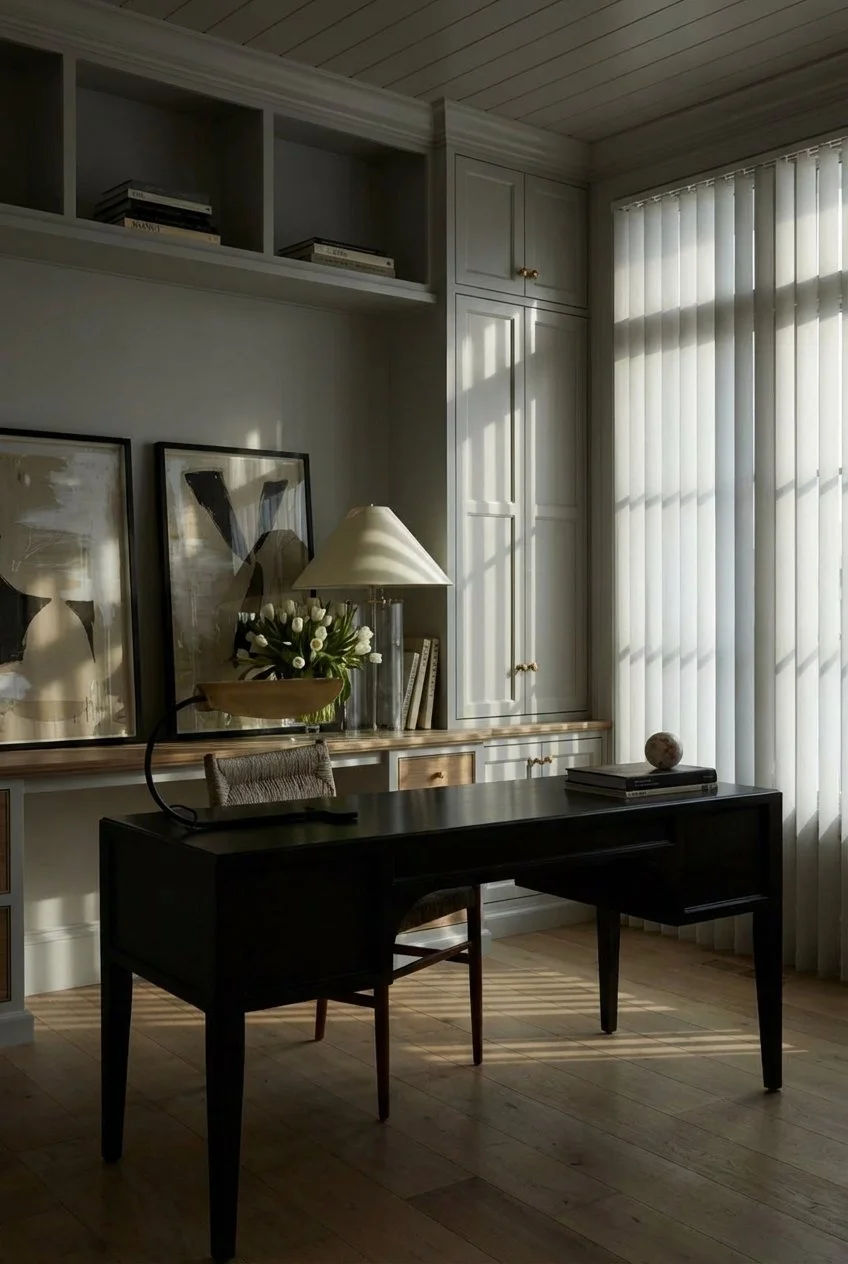
Blinds are similarly low-maintenance, though the slats do collect dust and benefit from regular cleaning to stay looking sharp.
Shades, particularly fabric ones, typically need a gentler touch, usually a vacuum brush attachment, and depending on the fabric, occasional professional cleaning.
Which One Is Right for Your Home
There isn't a single correct answer, and most wine country homes end up using a mix rather than committing to just one. A common approach is shutters in the most architecturally significant rooms, front-facing living spaces, or a formal dining room, where the built-in look matters most. Shades tend to work best in bedrooms, where blackout options and softer texture make sense, or anywhere a large view is the priority. Blinds often land in kitchens, bathrooms, and home offices, where easy cleaning and precise light control matter most day-to-day.
If you want to go deeper on any single comparison, we've written more detailed breakdowns on wood versus composite shutters, motorized versus manual, blackout versus light filtering shades, and roller versus solar shades.
Seeing It in Person
Photos and descriptions only get you so far with a decision like this. The real differences in texture, light behavior, and finish are much easier to evaluate with samples in hand, in your own space, under your own light.
Schedule a complimentary consultation, and we'll bring the samples to you.
At LC Window Treatments, we specialize in custom window treatments for every season. From seasonal fabric updates to complete treatment replacement, we work with homeowners and designers to create spaces that feel fresh, beautiful, and perfectly suited to the time of year. Whether you're planning a home refresh or preparing your home for the changing seasons, let's talk about updating your windows.