
Roman Shade Styles Explained: Finding Your Perfect Fit
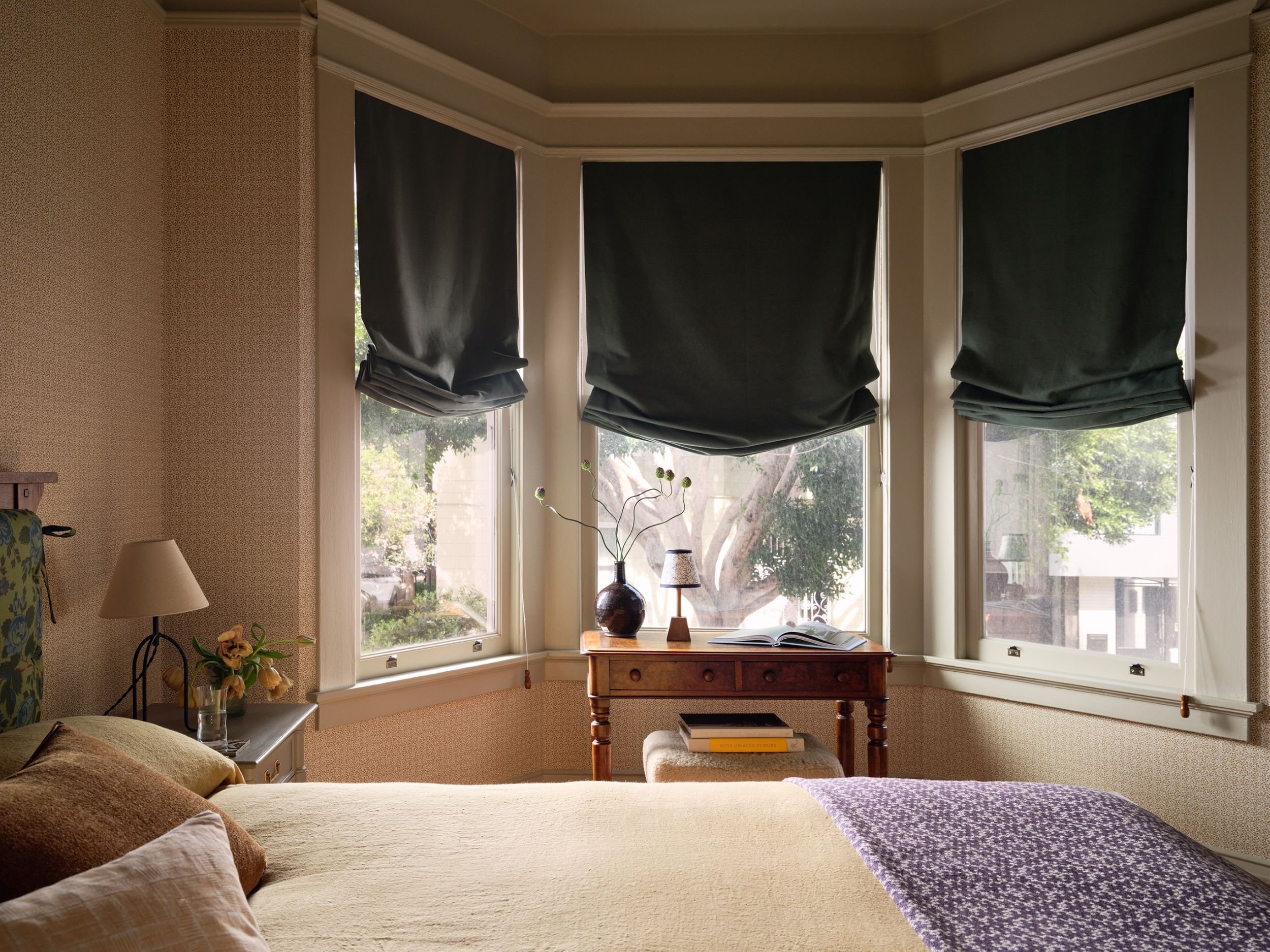
Roman shades are one of the most versatile window treatments available, and they're especially popular in wine country homes where they blend style with function.
But if you're exploring roman shades for the first time, the options can feel overwhelming. What's the difference between a flat roman shade and a waterfall? What's the right choice for your space? Let's break down the main styles so you can make an informed decision.
Understanding Roman Shades
First, the basics. A Roman shade is a fabric window treatment that folds into neat, horizontal pleats when raised and lies flat against the window when lowered. Unlike roller shades or cellular shades, Roman shades create a tailored, architectural look that works in contemporary, traditional, rustic, and transitional homes.
The style variations come down to how the shade folds when it's raised and the overall construction method. Each style offers different visual effects, functionality, and design aesthetics.
Flat Roman Shades
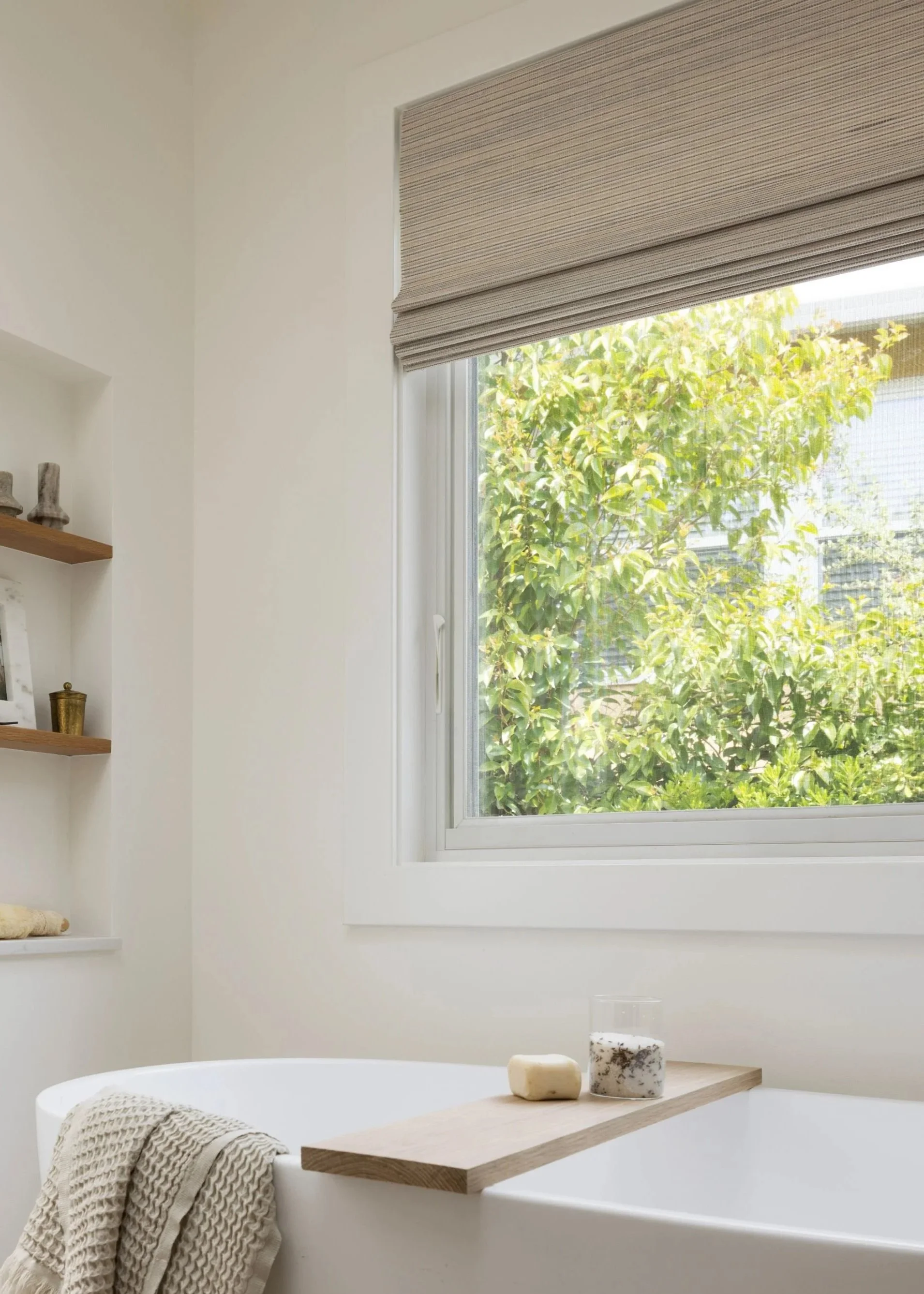
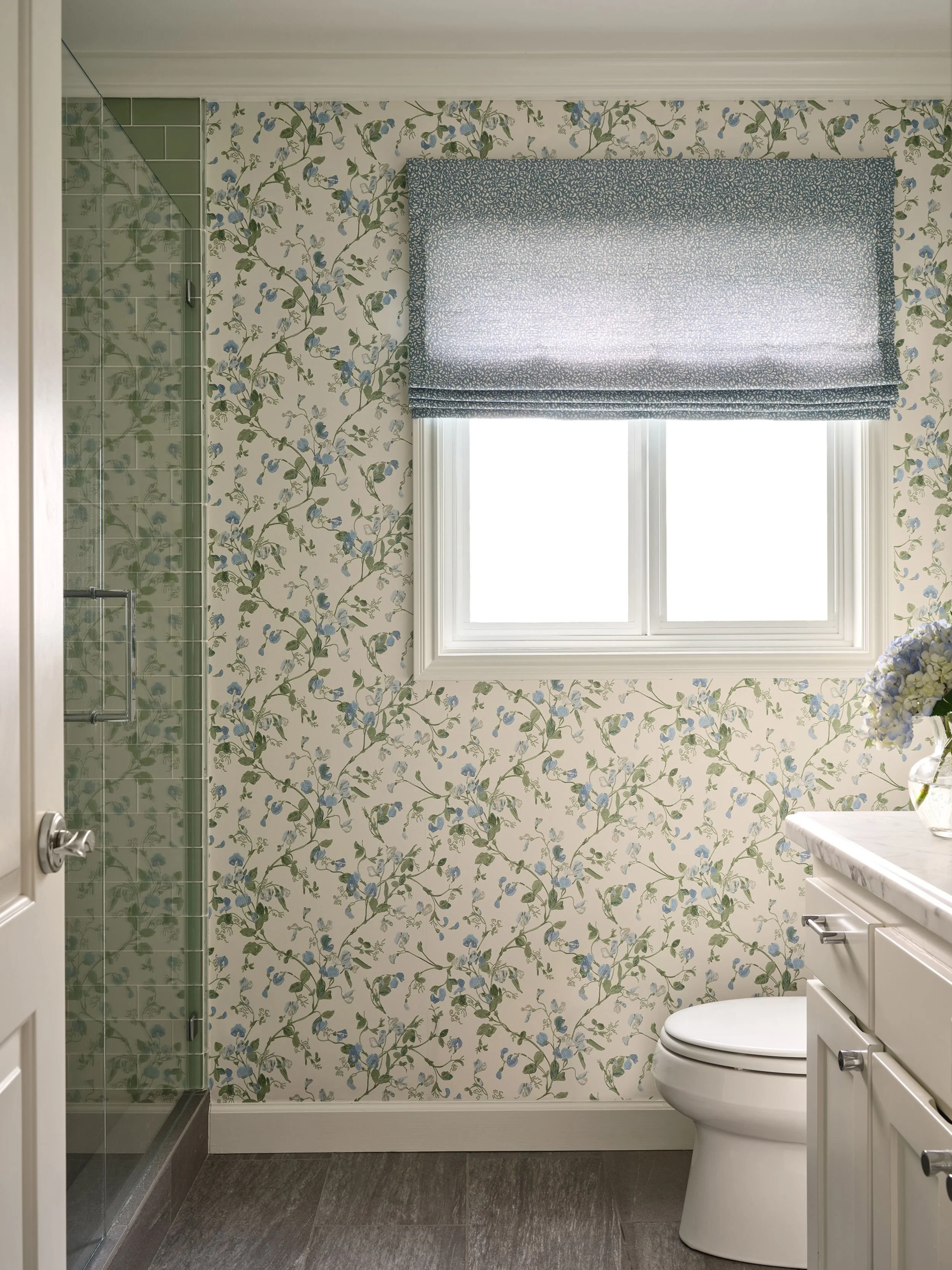
Flat Roman shades are the most minimalist option. When raised, the fabric stacks into thin, even horizontal folds. When lowered, the shade lies completely flat against the window with no visible pleats.
Best for:
Contemporary and modern homes
Large windows where you want a clean, uncluttered look
Spaces where you want maximum light when the shade is raised
Minimalist design aesthetics
Homes in Sonoma and Napa where views matter (when raised, the shade takes up minimal headroom)
Flat roman shades work beautifully with bold fabrics or subtle textures because the flat design lets the material be the star. They're also the most affordable roman shade option since they require less fabric.
Considerations:
When raised, the folds are visible behind the shade, which some find less refined than other styles
The mechanism is simpler, which means fewer moving parts and less potential for wear
Waterfall (Cascading) Roman Shades
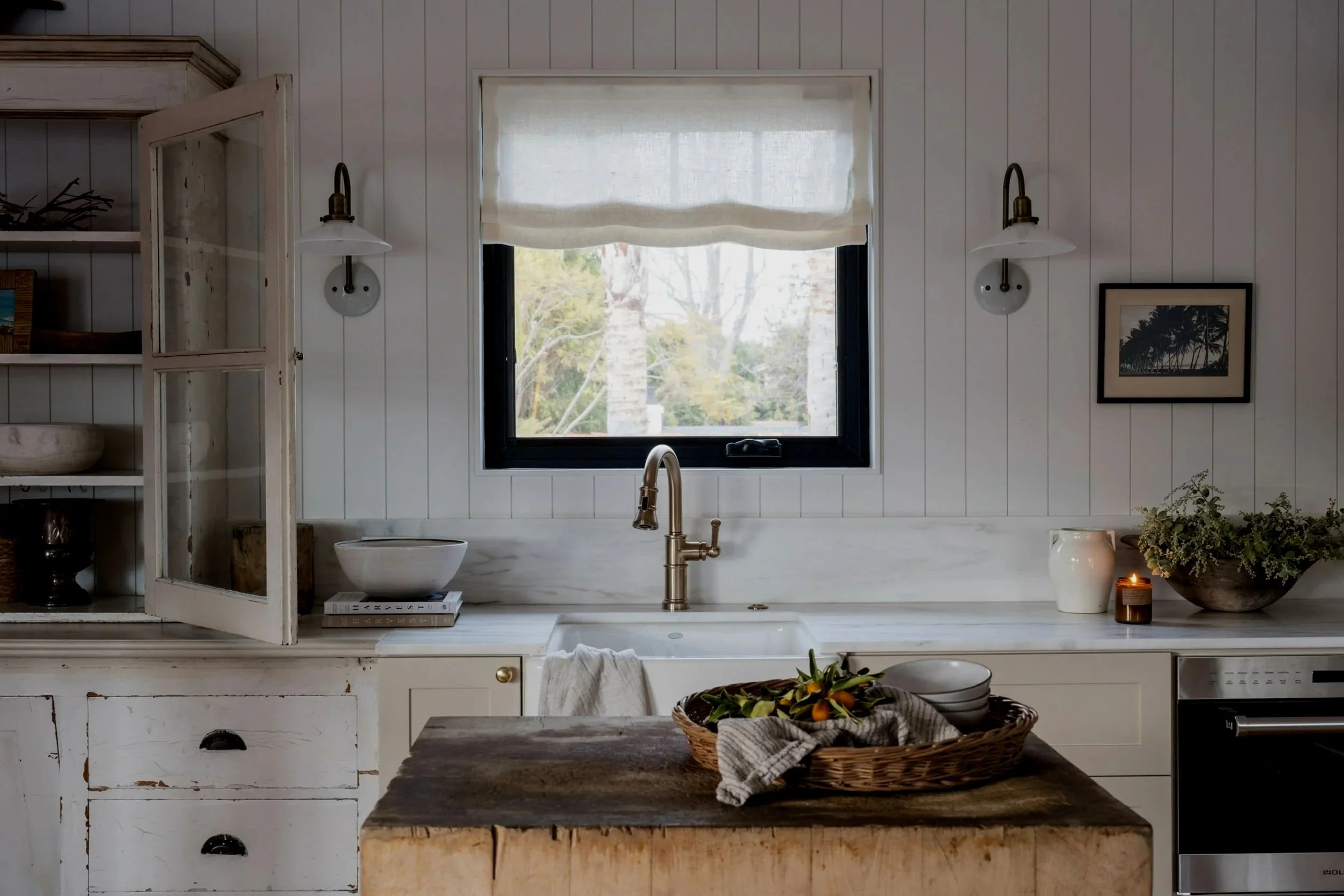
Waterfall Roman shades have a continuous fold of fabric that cascades down the back when the shade is raised. Instead of the fabric stacking neatly inside the shade, excess fabric flows like a waterfall, creating an elegant, draped effect.
Best for:
Luxury and high-end interiors
Traditional, transitional, and classic design styles
Formal living rooms and dining areas
Wine country homes where you want that elevated, resort-like feel
Spaces where you want visual drama and sophistication
The waterfall effect is inherently elegant and works beautifully with high-end fabrics, particularly when using custom drapery fabrics or silk blends. It's the choice for when you want your window treatment to be a design statement.
Considerations:
Requires more fabric (20 to 30 percent more than flat shades)
More expensive due to added fabric and complex construction
The cascading folds take up more wall space beside the window when raised
Requires professional installation and regular maintenance to keep folds looking perfect
Relaxed Roman Shades
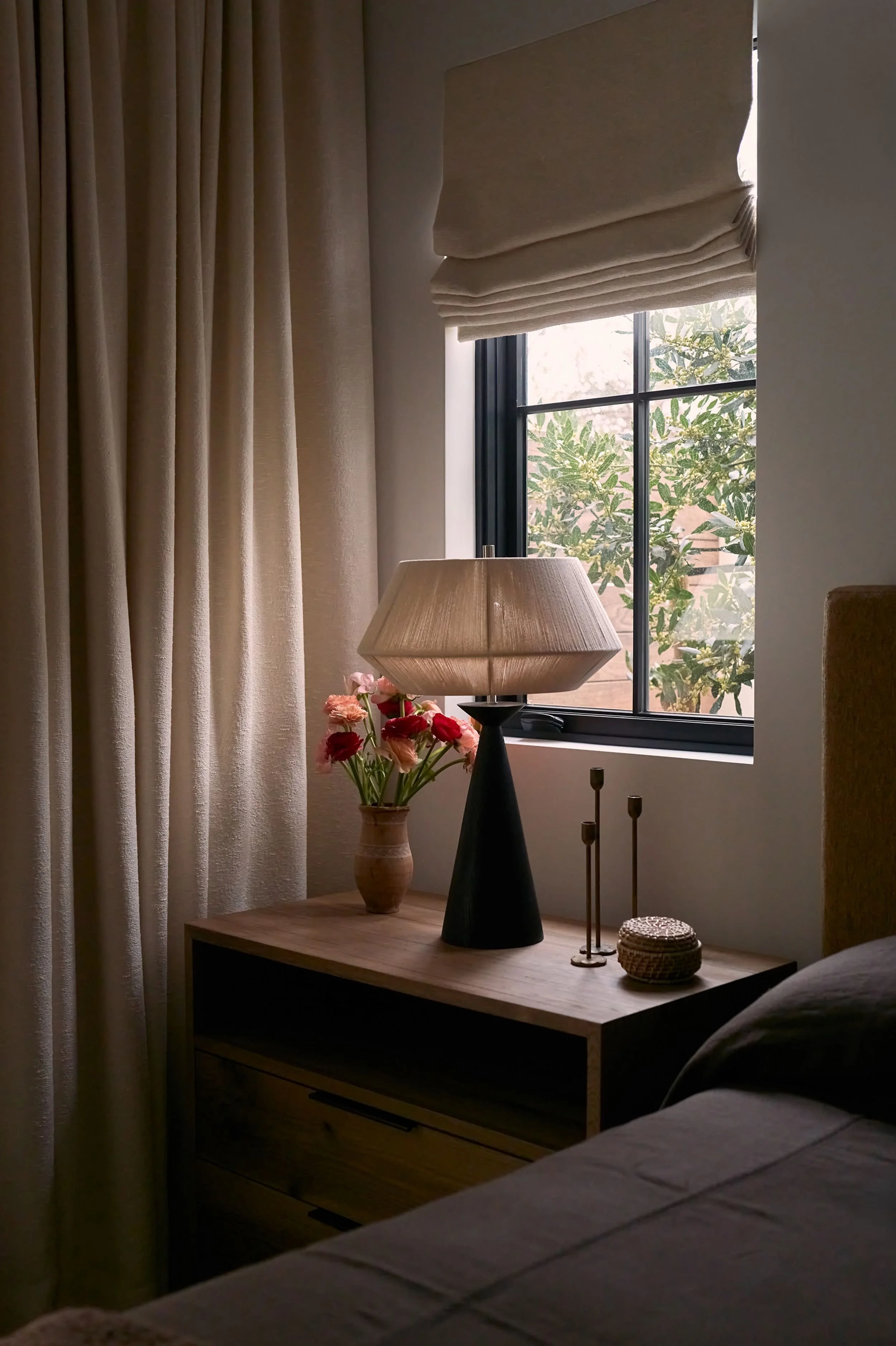
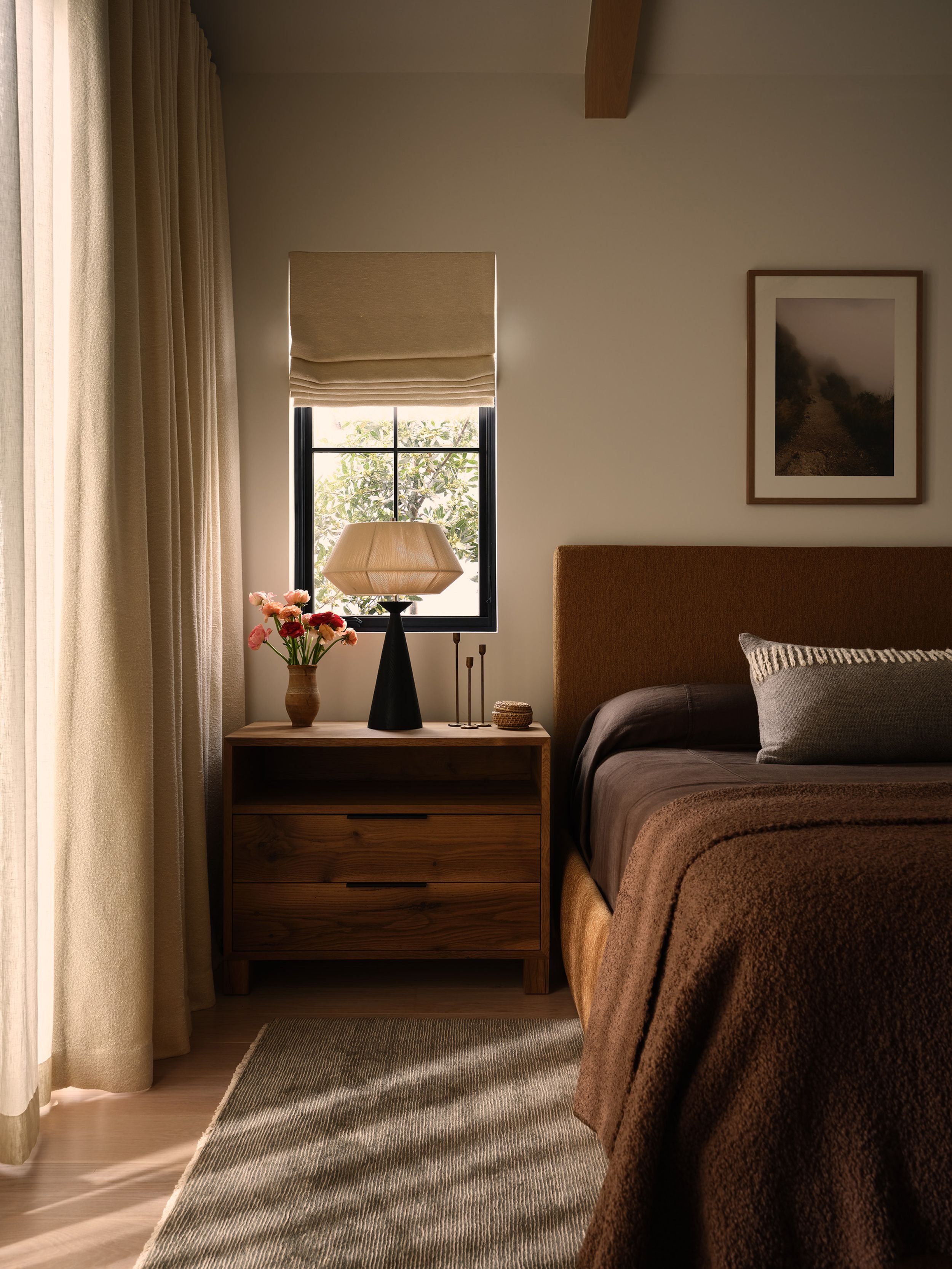
Relaxed roman shades split the difference between flat and waterfall. When raised, the shade creates soft, loose folds instead of crisp, tailored pleats. The look is intentionally informal and inviting.
Best for:
Casual or relaxed interiors
Cottage, farmhouse, and eclectic design styles
Bedrooms and family rooms
Spaces where you want warmth without maximum formality
Homes where the vibe is "lived in" rather than "showroom"
Relaxed roman shades are forgiving because the soft folds mask imperfections and don't require the same precision in fabric handling as flat or waterfall styles.
Considerations:
They show wear faster than crisper styles (dust settles in the folds)
Fabric choices matter more because loose folds can overwhelm heavier materials
They work better with medium-weight to lightweight fabrics
Balloon Roman Shades
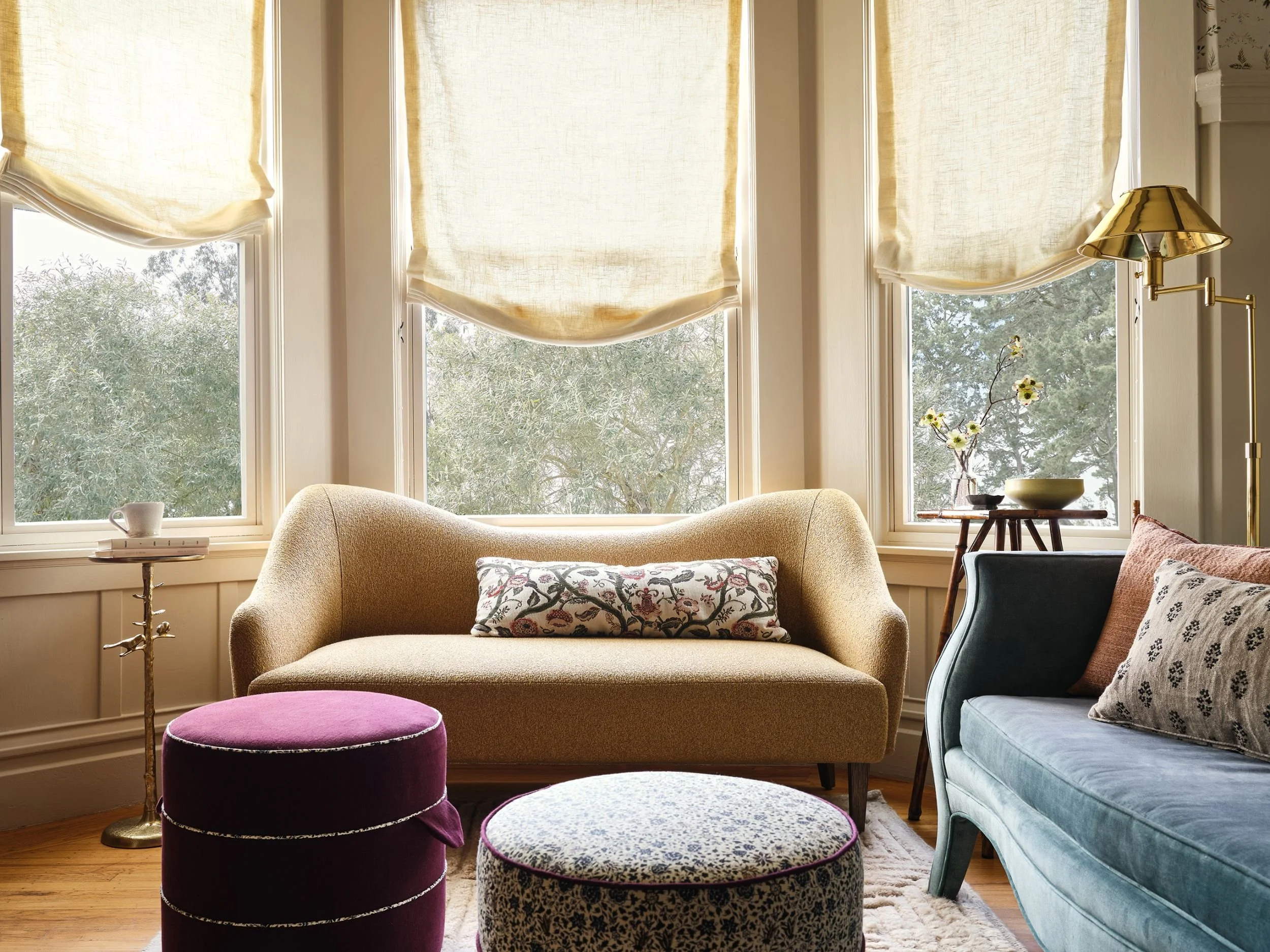
Balloon roman shades (also called cloud shades) have a gathered, puffed appearance when raised, creating a curved, balloon-like silhouette. When lowered, they lie relatively flat, but you still see the soft gathering.
Best for:
Romantic, vintage, or eclectic styles
Cottage or farmhouse aesthetics
Spaces where you want personality and uniqueness
Bedrooms or powder rooms where whimsy feels appropriate
Paired with patterned fabrics that benefit from dimension
Balloon shades make a statement and work beautifully in carefully curated spaces. They're not neutral, so design intent matters.
Considerations:
Very specific style territory, not suitable for all homes
Dust collects in the gathers
Require custom fabric selection (not all fabrics drape well for this effect)
More expensive and more specialized installation
Custom Roman Shades: Your Fabric, Your Style
Here's something important: all of the styles above become infinitely more personal when you use custom fabric.
Instead of being limited to standard roman shade fabrics, you can use any upholstery fabric, drapery fabric, or even vintage textiles. Want to echo your drapery in your roman shades? Use the exact same fabric. Want something unique? Custom construction lets you mix and match.
For wine country homes especially, custom roman shades in natural linens, cottons, or linen-linen blends complement the rustic elegance of wine country design while maintaining the sophistication clients expect.
At LC Window Treatments, we work with interior designers and homeowners to create custom roman shades that fit exactly what you envision. We can source specific fabrics, recommend construction methods that maximize durability, and ensure professional installation that keeps everything operating smoothly for years.
Which Style Is Right for Your Home?
Ask yourself these questions:
Is your home contemporary or traditional?
Contemporary: flat roman shades
Traditional or formal: waterfall
Transitional: flat or relaxed
Rustic/farmhouse: relaxed or balloon
Do you want the shade to be a focal point or background?
Background: flat or relaxed
Focal point: waterfall or balloon with statement fabric
Are these high-traffic windows or secondary?
High traffic with frequent use: flat (simplest mechanism, most durable)
Less frequently used: any style works
What's your maintenance tolerance?
Low maintenance preference: flat
- Don't mind regular dusting: waterfall or relaxed
- Willing to maintain: balloon with statement fabric
Are you working with an interior designer?
- Yes: bring this conversation to them; they'll help coordinate with the overall design vision
- No: think about what aesthetic feels most like home when you walk in
Roman Shades vs. Other Window Treatments
If you're also considering other options, here's how Roman shades compare:
Roman shades vs. roller shades: Roman shades are more architecturally interesting and customizable. Roller shades are simpler and often more affordable.
Roman shades vs. cellular shades: Cellular shades offer better energy efficiency and sound dampening. Roman shades offer more design versatility and custom fabric options.
Roman shades vs. drapes: Drapes create drama and flow. Roman shades are cleaner and more tailored. Many wine country homes use both, layering Roman shades for light control with drapes for elegance and extra insulation.
Roman shades vs. plantation shutters: Shutters are permanent and bold. Roman shades are softer and easier to update as design preferences evolve.
Many of our clients use Roman shades as the primary light control in main living areas, then layer them with sheer curtains or drapes for added elegance and privacy.
Getting Custom Roman Shades Right
Choosing the right roman shade style matters, but installation and craftsmanship matter more.
Poor installation means crooked folds, shades that don't operate smoothly, or fabric that sags over time. We've seen too many beautiful shade styles compromised by rushed installation or inexperienced fabrication.
At LC Window Treatments, every Roman shade is fabricated and installed by professionals who understand construction, fabric behavior, and the details that make the difference between a good shade and a great one.
We work through the complete process with you:
Discussing which style aligns with your design vision
Selecting fabric that will perform beautifully in your climate and light conditions
Ensuring precise measurements and professional fabrication
Installing so everything operates smoothly and looks perfect
The result is window treatments that look elegant, operate flawlessly, and last for years.
Ready to Explore Roman Shades for Your Home?
Roman shades are a smart investment in both style and function, especially in wine country homes where views and light matter. Whether you're exploring a flat, waterfall, relaxed, or balloon style, the right shade depends on your design aesthetic and how you use your space.
If you're ready to explore options for your home, we offer complimentary design consultations. We'll review your space, talk through style preferences, and recommend solutions tailored to your windows, lifestyle, and design goals.
Schedule a complimentary design consultation with our team.
We'll review your home, talk through how you use each room, and recommend solutions tailored to your lifestyle and budget