
Energy Efficient Window Treatments for Winter
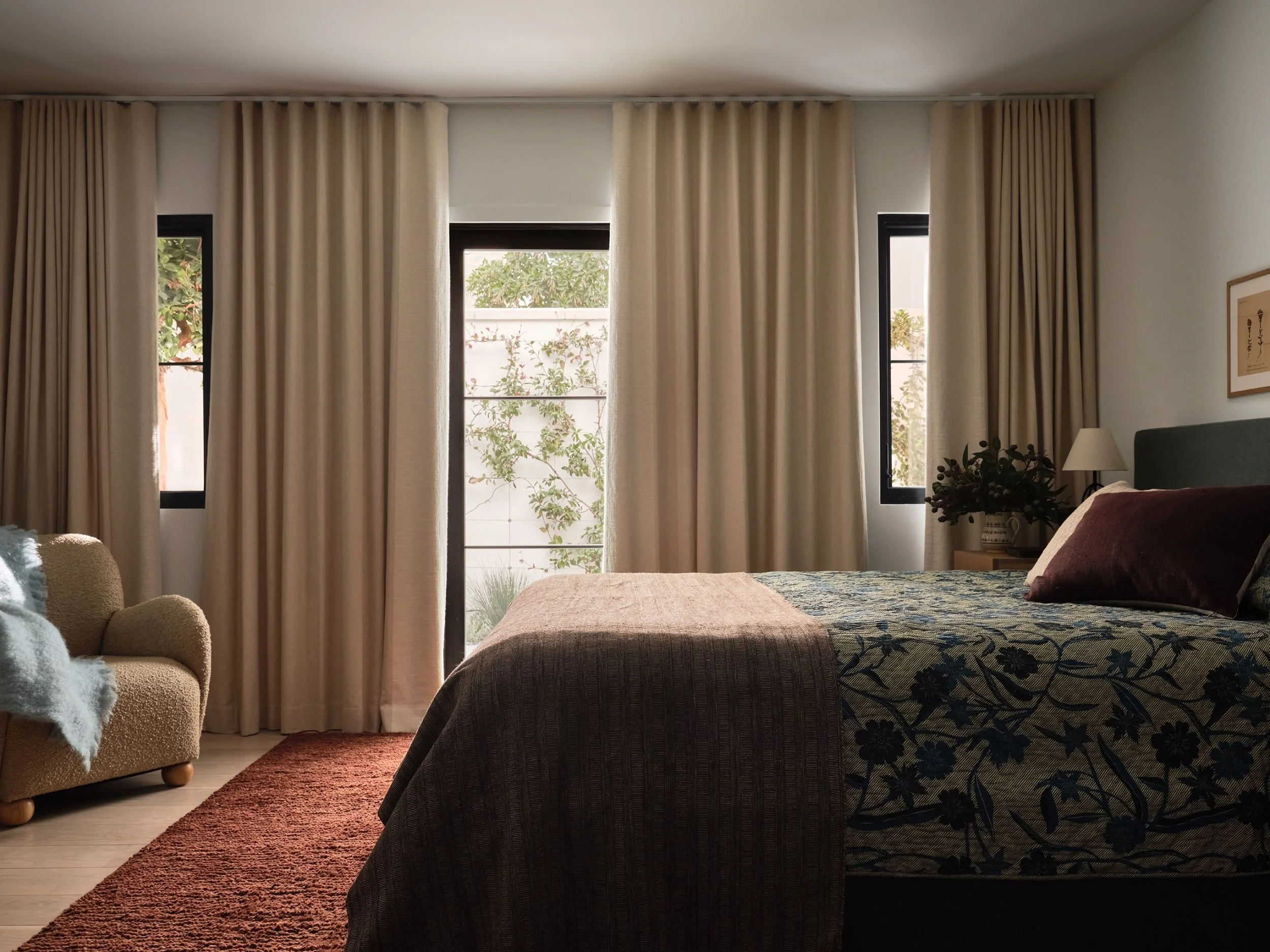
Winter is coming. Heating bills follow shortly after.
For wine country homeowners with large windows, sliding glass doors, and extensive glazing, that can mean a significant spike in energy costs. Glass conducts cold, and all that beautiful natural light you love in summer becomes a thermal liability when temperatures drop.
The good news: your window treatments can be a strategic ally in reducing heating costs and improving home comfort without requiring expensive home upgrades.
Energy-efficient window treatments are one of the most underrated home improvement investments. They deliver measurable cost savings, improved comfort, and, as a bonus, better sleep and privacy in winter months.
How Windows Lose Heat (And How Treatments Help)
Understanding the problem helps you see why the solution matters.
Windows conduct heat differently than insulated walls. In winter:
Cold air wants to move in through the glass
Warm air from inside wants to escape through the glass
This constant transfer means your heating system works harder to maintain comfortable temperatures
The larger the window area (and most wine country homes have lots), the bigger the problem
Window treatments create an insulating layer between your home's interior and the cold glass. The better the treatment, the greater the insulation value.
Think of it this way: you wouldn't open your bedroom window in winter and expect to sleep comfortably. Window treatments create a barrier similar to closing that window, except you can still enjoy the views and natural light.
Cellular Shades: The Energy Efficiency Champion
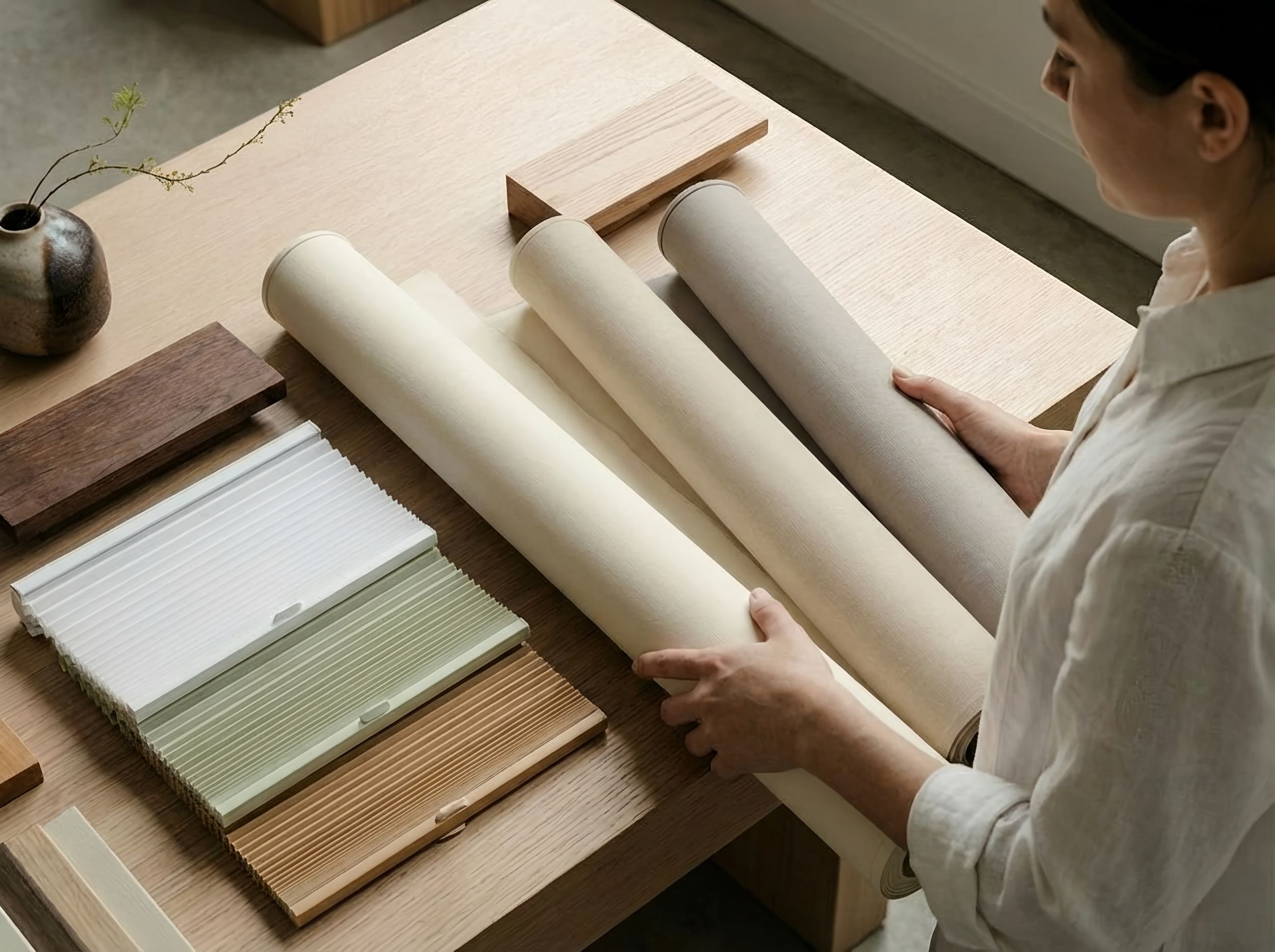
Cellular shades (also called honeycomb shades) are engineered specifically for insulation.
The structure is the key. The shade has hollow cells, like a honeycomb, that trap air. Air is an insulator. The more air pockets, the better the insulation value.
Single-cell shades have one layer of honeycomb and provide moderate insulation.
Double-cell shades have two layers with air pockets on both sides, creating significantly better insulation. They can reduce heat loss by up to 40 percent compared to uncovered windows.
Top-down/bottom-up cellular shades offer even more flexibility. You can lower the shade from the top for privacy while maintaining views, then raise it from the bottom for light. This versatility means you can customize exactly how much of the window you're covering at any given time.
For wine country homes where views matter, top-down/bottom-up cellular shades solve a real problem: you get privacy and insulation without sacrificing the view of your vineyard or garden.
The energy savings are measurable. On a typical home with significant window area, upgrading to cellular shades can reduce heating costs by 10 to 15 percent. That's just one intervention.
Layered Treatments: Shades Plus Drapes
A cellular shade alone provides insulation. Add drapes, and you multiply the effect.
Drapes create an additional air gap between the window and the room. When you close both the shades and the drapes at night, you've created a surprisingly effective thermal barrier. Research shows layered treatments (shade plus drapes) can reduce heat loss by up to 50 percent compared to bare windows.
The strategy works like this:
During the day: Open drapes to let in natural light and take advantage of solar heat gain (yes, the sun warms your home in winter). Keep cellular shade raised or partially lowered depending on privacy needs.
At night: Close both drapes and lower the cellular shade. The combination creates maximum insulation.
On cloudy days or during periods of extreme cold, keep both closed. The insulation value is highest, even though you lose daylighting.
This flexibility means you're not locked into a single configuration. You adjust based on weather, time of day, and your immediate needs.
For wine country homes, this works beautifully. You get views and light when conditions allow, and efficiency when you need it.
Fabric Weight Matters
Not all drape fabrics are equal when it comes to insulation.
Lightweight fabrics (like summer linens or sheers) provide minimal insulation value. They're beautiful but thin.
Medium-weight fabrics (linen blends, cotton blends, standard upholstery fabrics) provide moderate insulation and maintain reasonable light filtering.
Heavyweight fabrics (wool blends, densely woven materials, thermal-backed fabrics) provide maximum insulation. They're often described as "blackout" or "thermal" and are specifically engineered for energy efficiency.
The trade-off: heavier fabrics look more substantial and insulate better, but they also feel heavier visually and can darken a room when closed.
The smart approach: Use heavyweight or thermal-backed fabrics in bedrooms (where you're closing them at night anyway) and medium-weight fabrics in living areas where you want insulation without the visual weight of heavy drapes.
Some specialty fabrics have thermal linings or reflective coatings on the back that boost insulation value without adding bulk on the front. These are engineering solutions that look refined from the room side while performing like heavy drapes thermally.
Motorized Shades and Winter Efficiency
This is where things get interesting.
Motorized cellular shades programmed for winter operation can deliver substantial energy savings automatically.
Example scenario: You program your motorized shades to close at sunset (when heat loss peaks) and remain closed until sunrise. This is when your heating system works hardest, when the sun isn't providing any warmth.
You're not sacrificing natural light during daylight hours, but you're maximizing insulation during the long winter nights and early mornings when it matters most.
For a wine country home with 30 windows, this kind of automated efficiency adds up quickly.
Many of our clients combine motorized shades in main living areas (where programmable convenience matters) with manual cellular shades in bedrooms (where you're closing them at night anyway).
Specific Window Challenges and Solutions
Large windows and sliding glass doors: Use layered treatments (cellular shade plus heavyweight drapes). These are your biggest heat loss culprits; they deserve the most insulation.
Skylights: Motorized cellular shades are ideal. You can't reach skylights with manual treatments, but motorized versions close automatically at night, when heat loss is at its worst.
Corner windows and walls of glass: Layer multiple treatments, and consider thermal-backed drapes in particular.
Single-pane or older windows: These have minimal insulating value on their own. Invest in cellular shades and drapes to compensate. This is often more cost-effective than replacing windows.
Beyond Thermal Performance: Additional Benefits
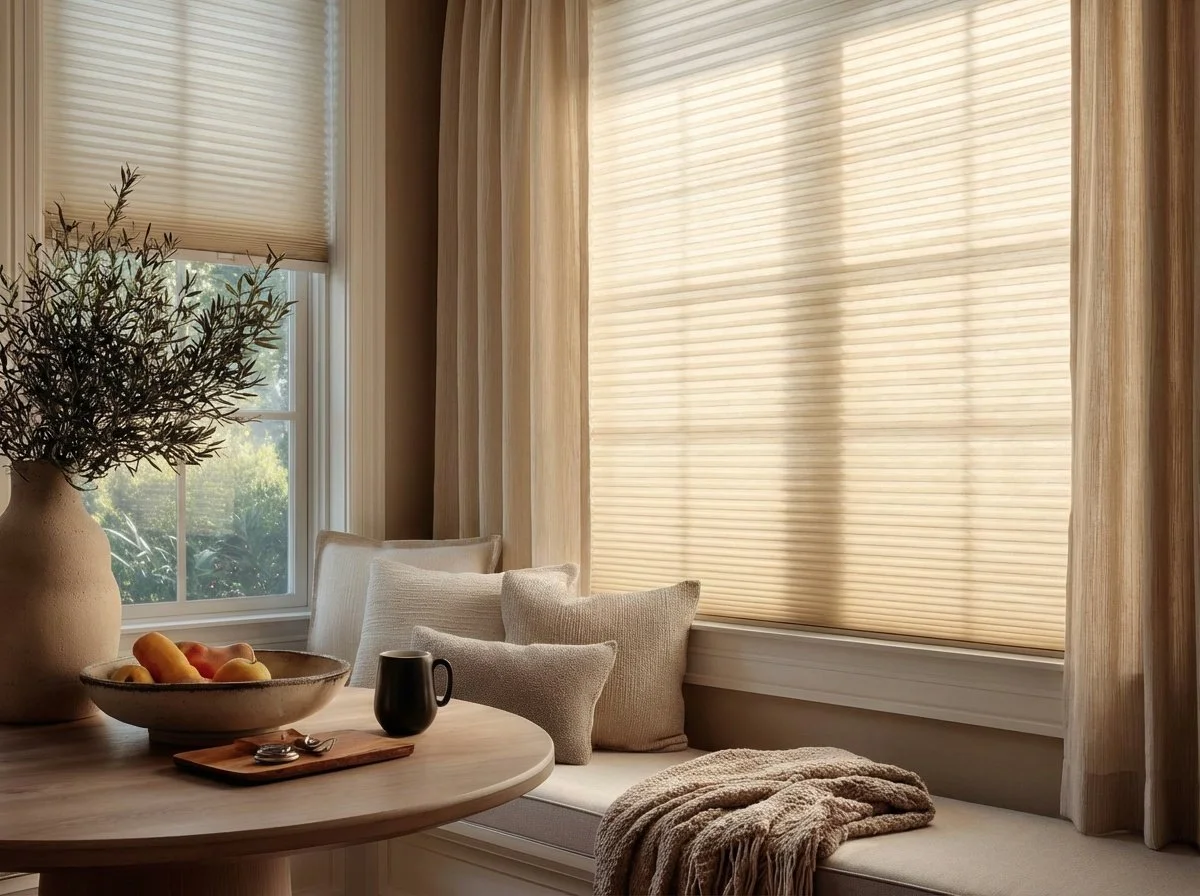
Energy efficiency is the primary benefit, but there are others:
Better sleep: Blackout cellular shades or thermal drapes block light and sound, creating ideal sleeping conditions. Many people find they sleep better in winter after adding these treatments.
Reduced glare: Winter sun can be bright despite cold temperatures. Cellular shades diffuse light naturally while maintaining some transparency.
Privacy: Winter means bare trees and clearer sight lines into homes from outside. Heavy treatments provide privacy that summer's foliage used to offer.
Noise reduction: Cellular shades have some sound-dampening properties. When combined with heavy drapes, they reduce outside noise.
UV protection: Even in winter, UV rays continue to fade furnishings and finishes. Quality cellular shades and opaque drapes block this damage year-round.
Quantifying the Savings
How much can energy-efficient window treatments actually save you?
Conservative estimate: 10 to 15 percent reduction in heating costs for homes with average window area.
Homes with extensive glazing (like most wine country properties): 15 to 25 percent reduction is realistic with cellular shades plus drapes.
For a home spending $2,000 per winter on heating: That's $200 to $500 in annual savings. Over 10 years, that's $2,000 to $5,000, easily covering the cost of quality window treatments and then some.
Add in improved comfort, better sleep, reduced UV damage, and increased home value, and the ROI becomes clear.
Getting Started This November
The best time to install winter-efficiency window treatments is before serious cold weather arrives. Early November gives you time for measurement, fabrication, and installation before December.
If budget is a constraint, prioritize main living areas and bedrooms, the spaces where you spend the most time and where treated windows have the most impact.
Start with cellular shades (they provide excellent insulation on their own), then add drapes later if budget allows.
We can help you identify which windows to prioritize based on their exposure, size, and impact on your home's energy performance.
Schedule a complimentary design consultation with our team. We'll evaluate your home, recommend efficient window treatments tailored to your space and budget, and discuss installation timing.
At LC Window Treatments, we specialize in custom window treatments for every season. From seasonal fabric updates to complete treatment replacement, we work with homeowners and designers to create spaces that feel fresh, beautiful, and perfectly suited to the time of year. Whether you're planning a fall refresh or preparing your home for holiday entertaining, let's talk about updating your windows.