
Blinds vs. Shades: Which Is Right for Your Home?
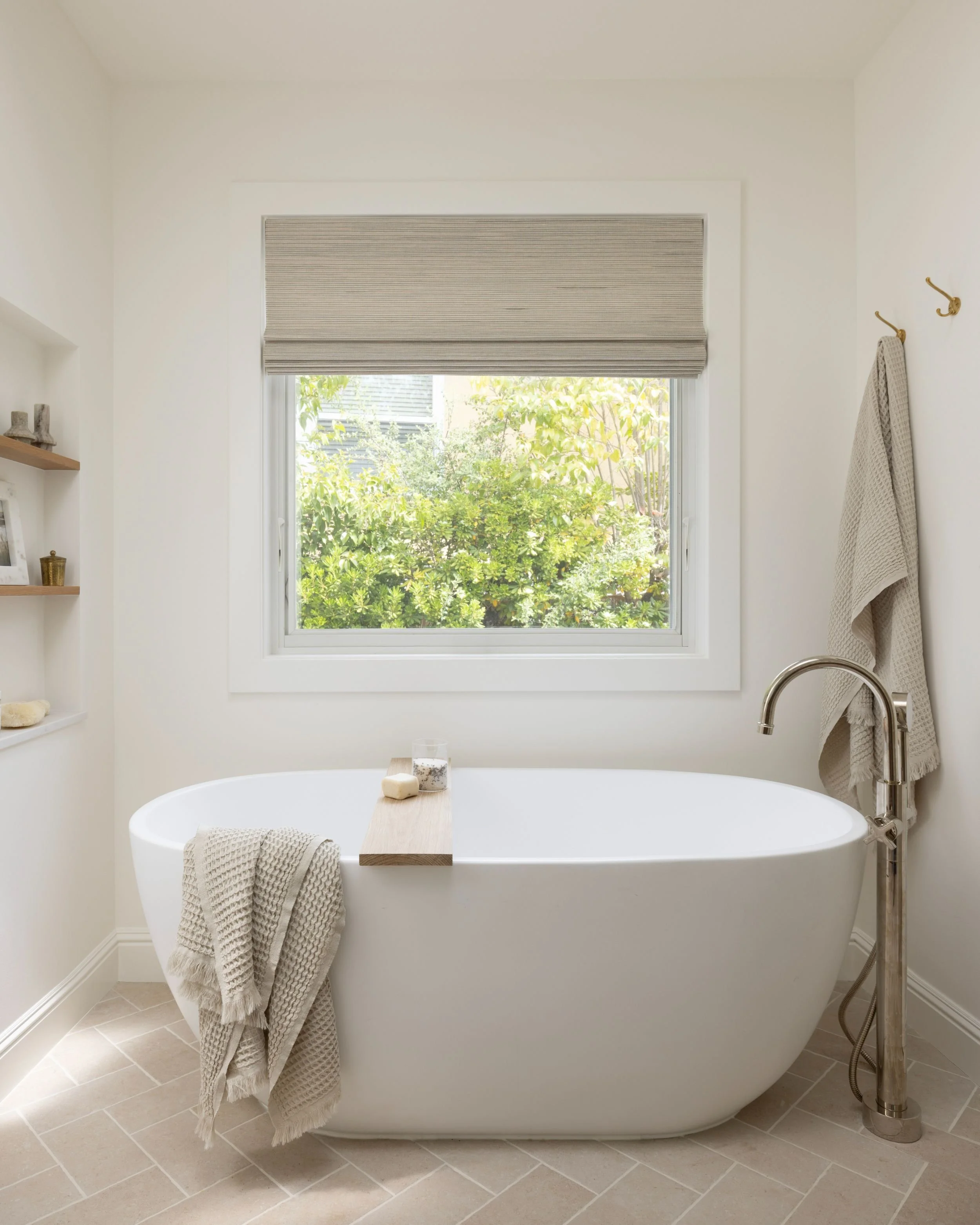
If you're shopping for window treatments, you've probably run into this question fast. Blinds or shades? The terms get used all the time interchangeably, but they're actually two very different categories of window covering, and choosing the right one makes a real difference in how a room looks, feels, and functions.
Here's how to think it through.
The Basic Difference
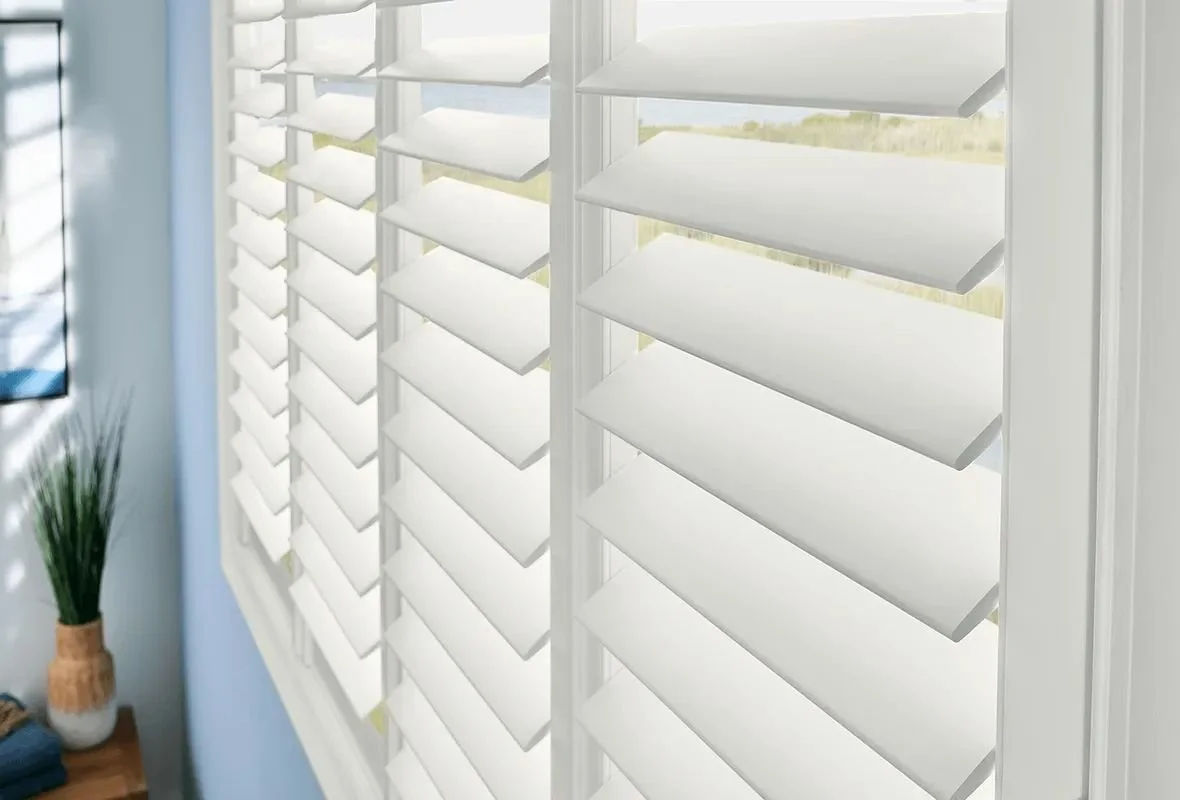
Blinds are a "hard" window treatment. They're made of individual slats, whether wood, faux wood, or vinyl, that tilt open and closed to control light and privacy. You can adjust the angle of the slats without raising or lowering the whole treatment, giving you fine control over how much light comes in.
Shades are a "soft" window treatment. They're made from a single piece of fabric that rolls, folds, or stacks as you raise it. There's no tilting involved. A shade is either up, down, or somewhere in between, and the fabric itself determines how much light passes through when it's closed.
That one distinction, hard slats versus soft fabric, is the root of almost every other difference between the two.
Light Control
Blinds win here if precision matters to you. Because the slats tilt independently of raising and lowering, you can let in a sliver of light or block it out almost entirely, all while keeping the blind at the same height. That's especially useful in home offices, kitchens, or any room where the light changes throughout the day and you want to adjust without fully opening or closing the treatment.
Shades work differently. Opacity is built into the fabric itself, so a light-filtering shade will always filter light, and a blackout shade will always block it. Instead, shades offer a cleaner, more uniform look when they're down and a smoother, unobstructed view when they're up.
Style and Feel
This is where personal taste comes in more than function. Blinds tend to read as more structured and architectural. They pair well with modern, transitional, and minimalist interiors, and the clean horizontal or vertical blinds can feel almost like part of the window itself.
Shades bring a softer, more textural feel to a room. Woven wood shades in particular have become a favorite in wine country homes for exactly this reason; they add warmth and natural texture without competing with a view. Roman shades and cellular shades also fall into this softer category, each with its own look and function.
Maintenance
Blinds are generally easier to keep clean.
Shades, especially fabric ones, typically need a gentler approach, usually a vacuum brush attachment or occasional professional cleaning depending on the material. That said, many shade fabrics today are treated to resist dust and stains far better than older generations of window coverings.
Energy Efficiency
Cellular shades, sometimes called honeycomb shades, stand out here. Their construction traps air in pockets between the window and the room, creating a genuine insulating barrier that helps with both summer heat and winter cold. If energy efficiency is a top priority, cellular shades usually outperform blinds.
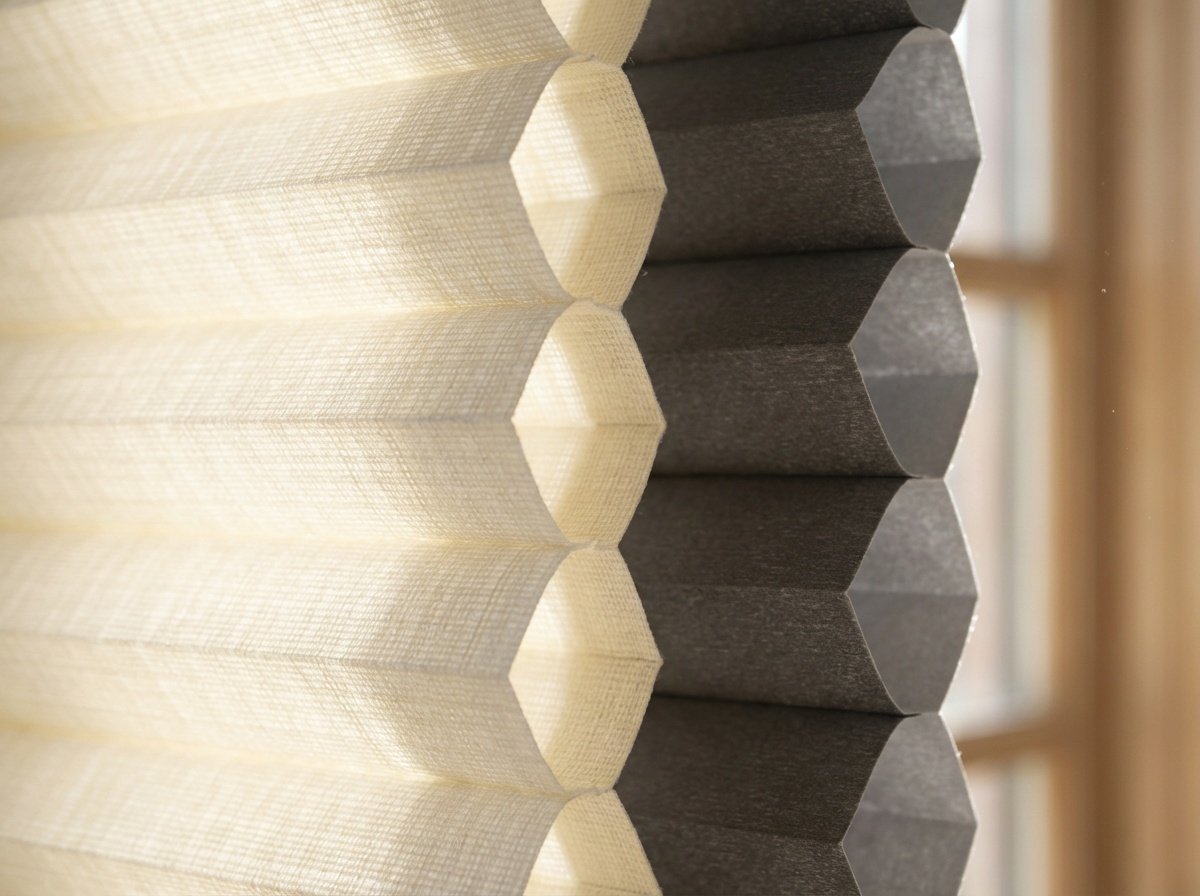
Blinds can still help by blocking direct sun exposure, especially with the slats angled correctly, but they don't create the same sealed air pocket that makes cellular shades so effective for temperature regulation.
Room by Room
For kitchens and bathrooms, blinds are often the practical choice because of their moisture resistance and easy cleaning, though moisture-resistant shade fabrics exist too if you prefer a softer look.]
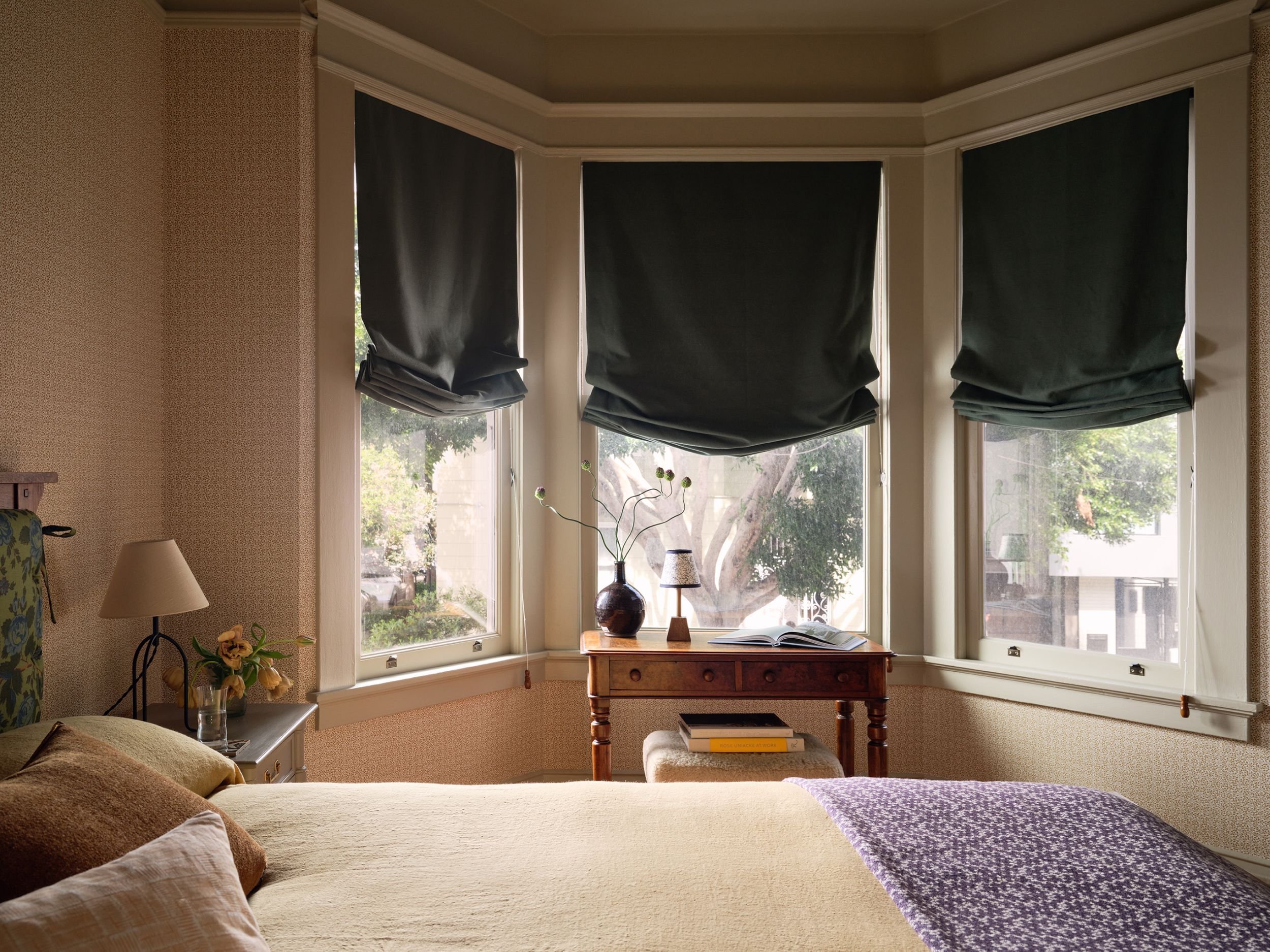
For bedrooms, shades, particularly blackout or room-darkening styles, tend to be the better fit if a fully dark room matters to you for sleep.
For living rooms and dining rooms, it often comes down to the space's overall design direction. Both work beautifully, and many homeowners end up layering the two, a functional shade underneath with drapery on top, to get precise light control and a more finished look.
For large view-facing windows, common throughout Sonoma, Napa, and Marin homes with vineyard or hillside views, shades like solar shades often win out since they manage glare and heat without the visual interruption that slats can create.
There Isn't a Single Right Answer
Blinds and shades both solve real problems; they just solve them differently. The right choice comes down to the specific room, the amount of light control you actually need day to day, and the overall look you're going for in your home.
If you're weighing your options and want an honest read on what would work best for your space, we're happy to help. A complimentary design consultation is the easiest way to see samples in person and get a recommendation tailored to your windows, lighting conditions, and style.
Schedule a complimentary consultation and let's find the right fit for your home.
At LC Window Treatments, we specialize in custom window treatments for every season. From seasonal fabric updates to complete treatment replacement, we work with homeowners and designers to create spaces that feel fresh, beautiful, and perfectly suited to the time of year. Whether you're planning a home refresh or preparing your home for the changing seasons, let's talk about updating your windows.